
If you’re planning a Michigan getaway to Panama City Beach, avoid the High Impact spring-break window. Crowd-driven crime risk, enforced nighttime curfews and beach closures, and dangerous Gulf rip currents combine to make those weeks the riskiest time to visit. Keep reading for exact dates, safer booking windows, and Michigan alternatives that still deliver a real beach vacation.
TL;DR:
- The high-impact spring-break period in Panama City Beach features strict rules such as beach closures, juvenile curfews, and hefty fines, which can affect accommodation availability and travel plans.
- Enforcement increases during these weeks include aerial patrols, multi-agency coordination, and zero-tolerance policies for crime, making safety precautions essential.
- Rip currents are a universal hazard at Gulf beaches, with the safest option being to avoid swimming when wave conditions are questionable and always stay near lifeguard stations.
- Visiting outside the high-impact weeks in April, May, September, or October offers the same beach experience with significantly lower crowd, crime, and natural hazard risks.
- Michigan beaches, including Holland, Petoskey, and Bay City, provide quieter, earlier-season options with colder water and limited facilities, ideal for avoiding Gulf Coast crowds.
Table of Contents
- Why spring break in Panama City Beach can turn dangerous
- What the official rules mean for your trip
- Rip currents and flag warnings you need to know
- If you must go: a safety checklist worth following
- Safer spring-break alternatives closer to home
- What makes Panama City Beach worth visiting outside HIP weeks
- When avoiding spring break makes sense, and when it doesn’t
- Book your off-peak Panama City Beach stay with confidence
- Sources
- FAQ
Why spring break in Panama City Beach can turn dangerous
Panama City Beach changed its approach to spring break after a shooting during the 2015 season left one visitor dead and seven others hurt. That incident pushed the Bay County Sheriff’s Office to overhaul how it manages the crowds that arrive each March, and the city has layered on stricter rules every year since.
Large, unplanned gatherings are the core problem. When tens of thousands of visitors converge on a few miles of beach road, pop-up parties form fast, alcohol flows without much oversight, and fights, thefts, and car break-ins follow. Traffic backs up for miles, which slows emergency response right when it’s needed most.
Law enforcement now treats these weeks like a coordinated operation rather than routine patrol duty:
- Aerial units and helicopters monitor beach crowds from above.
- Multiple agencies, including county, state, and local police, work under one command structure.
- Officers focus on high-visibility patrols along the busiest corridors.
The Bay County Sheriff’s Office has publicly stated it takes a zero-tolerance approach to crime during this period, a sign of how seriously local officials treat the risk.
What the official rules mean for your trip
Panama City Beach designates a Spring Break High Impact Period (HIP) each year, with mapped zones where temporary rules apply. For 2026, the city outlined specific HIP dates and zones under Resolution 26-69, covering the stretches of beach that historically draw the largest crowds.
Inside those zones and dates, expect real, enforced restrictions:
- Nightly closures of the sandy beach during specified evening and overnight hours.
- Juvenile curfews that require anyone under 18 off the streets by a set time.
- Fines and possible arrest for violating closure or curfew rules.
- Restrictions on beach access equipment and gatherings after dark.
The City of Panama City Beach passed Ordinance 1674 for 2026, which temporarily closes portions of the sandy Gulf beach during spring-break hours and sets penalties for anyone who ignores it. These rules reshape ordinary vacation logistics too. Late-night beach walks are off the table, parking near HIP zones fills early, and many property managers refuse to rent to groups under 21 during this stretch, so confirm age policies before you book anything.
Rip currents and flag warnings you need to know
Beyond the crowds, Panama City Beach carries a natural hazard that has nothing to do with spring break timing: rip currents. The National Weather Service advises assuming rip currents are possible at any Gulf beach, on any day, regardless of how calm the water looks.
From shore, look for a channel of flat, choppy, or discolored water cutting through the surf, or a break in the incoming wave pattern. If you’re caught in one, follow the same steps every time:
- Stay calm and don’t try to swim straight back to shore against the pull.
- Swim parallel to the beach until you escape the current.
- If you can’t escape it, float and call or wave for help.
NWS rip current guidance puts it plainly: “When in doubt, stay out” of the water when conditions look questionable. Always swim near a lifeguard stand and pay attention to the flag flying that day. Red typically signals high hazard, yellow means moderate, and green means calmer conditions, though flags can change through the day as the Gulf shifts. Our guide to Panama City Beach flag colors breaks down what each one means in practice.
If you must go: a safety checklist worth following
Some travel plans can’t be moved. If you’re heading to Panama City Beach during HIP dates anyway, a few precautions make a real difference.
- Steer clear of HIP-designated hot zones like Front Beach Road and Thomas Drive, especially on weekend nights.
- Book a rental near a lifeguarded stretch of beach rather than in the densest nightlife corridor.
- Stagger your arrival or departure to avoid the heaviest travel days.
- Register your contact information with Operation Safe Home through the Bay County Sheriff’s Office.
- Save local emergency numbers, travel in a group, and keep valuables locked up and out of sight.
Pro Tip: Pick a rental with a clear exit route in mind, so you can leave quickly if crowds build up near your building.
Our full Panama City Beach safety guide covers additional basics worth reviewing before any Gulf Coast trip, and knowing local alcohol rules helps you understand why enforcement gets so strict after dark.
Safer spring-break alternatives closer to home
If the goal is a break near water without the crowd risk, Michigan has real options. Holland State Park sits on Lake Michigan with a sandy beach and none of the spring-break density. Petoskey State Park offers a quieter Little Traverse Bay shoreline, and Bay City State Park gives Saginaw Bay access without the chaos.
A few things to keep in mind before you go:
- Great Lakes water stays cold well into spring, so plan for shorter swims and check posted conditions.
- Some park facilities and swim areas operate on limited seasonal hours early in the year.
- Buoyed swim zones mark the safest areas to enter the water at each park.
For the best mix of warmer water and lighter crowds, April through May and September through October tend to work better than peak summer or spring break weeks anywhere.
What makes Panama City Beach worth visiting outside HIP weeks
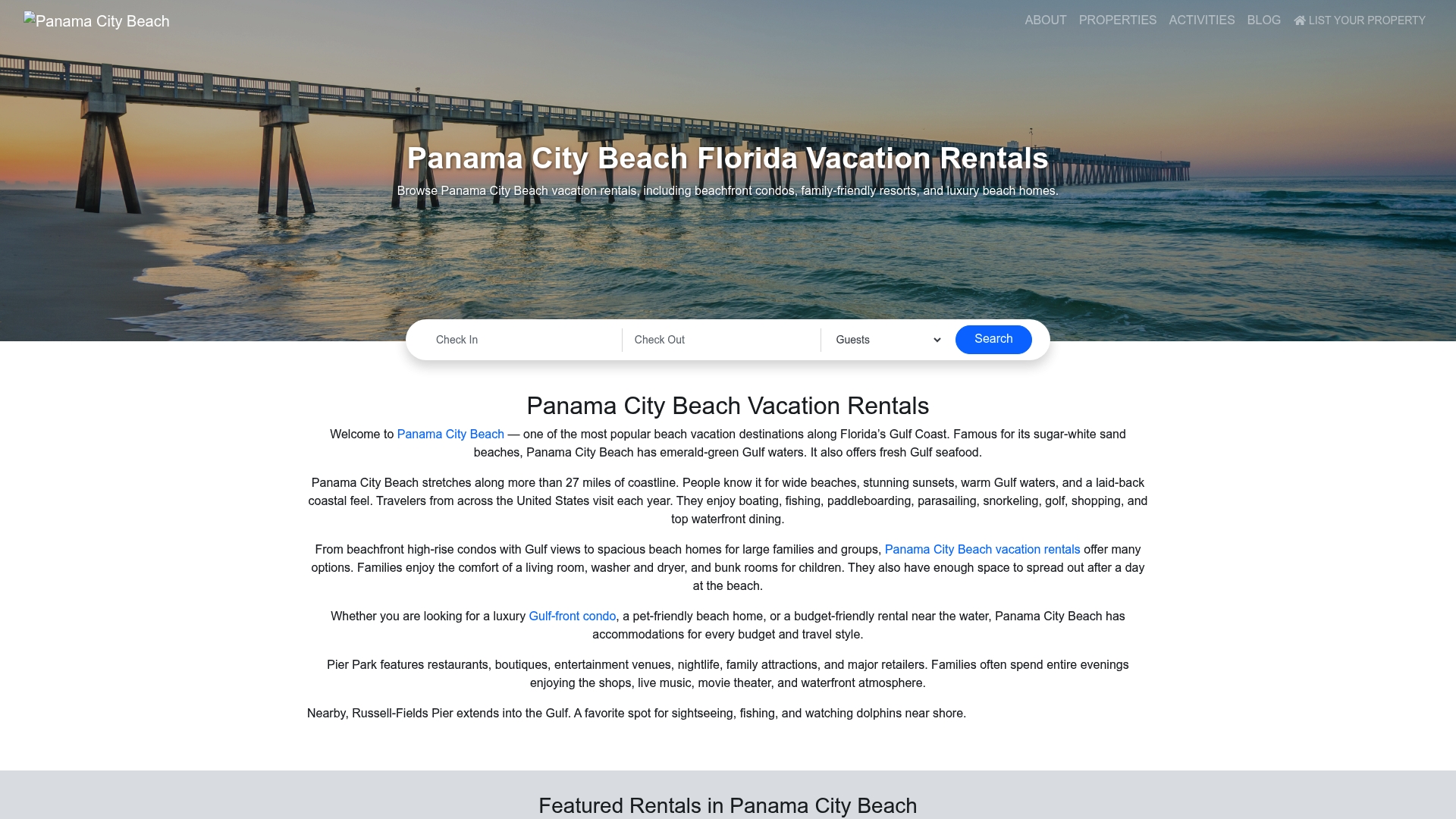
Panama City Beach stretches across more than 27 miles of sugar-white sand and emerald-green Gulf water, with boating, fishing, paddleboarding, parasailing, snorkeling, golf, and waterfront dining spread along the coast. None of that changes once spring break ends, but the crowd risk drops sharply.

Before booking any trip, check the primary sources directly: the City of Panama City Beach’s HIP announcements, the Bay County Sheriff’s Office spring break notices, and the National Weather Service’s beach safety pages. Local coverage from WCTV also tracks how enforcement plays out each season, which is useful if your travel dates fall close to the HIP window.

When avoiding spring break makes sense, and when it doesn’t
Families and solo travelers should skip Panama City Beach entirely during HIP weeks. Enforcement has improved since 2015, but crowd-driven risk doesn’t disappear just because more officers are watching. If your dates are flexible, that’s the easiest fix available to you.
If you’re set on visiting during a busy stretch, lean on the safety checklist above and book with lifeguard access and off-peak timing in mind.
— Joe
Book your off-peak Panama City Beach stay with confidence
Visiting Panama City Beach outside the High Impact window gives you the same sugar-white sand and warm Gulf water without the added risk, and booking through direct channels may help avoid extra fees sometimes charged by larger platforms.
A few things to prioritize when you book:
- Target April through May or September through October for warmer water and lighter crowds.
- Filter for family-friendly or pet-friendly properties near lifeguarded beach access.
- Read current city ordinances before you finalize dates, since rules can shift year to year.
Browse Panama City Beach vacation rentals to find a beachfront condo or home for your off-peak trip, and check our guide to the best time to visit before you lock in dates.
Sources
- Rip Currents | National Weather Service
- Panama City Beach prepares for high-impact spring break period — WCTV
Recommended
- Michigan Families: Pack Rash Guards for Panama City Beach Jellyfish
- Save on Panama City Beach: Visit April–May or Sept–Oct for Warm Water
- Keep Your Panama City Beach Trip: 3 Trusted Checks for Red Tide Safety
- Panama City Beach Safety: What Illinois Travelers Should Know
About the Author
Joe Godar of the PanamaCityBeachFlorida.com Editorial Team creates destination guides, vacation-planning resources, and local travel content focused on Panama City Beach, Florida.
Our team researches local beaches, vacation rental trends, family activities, restaurants, attractions, events, and direct-booking best practices. Every guide is created to help travelers plan more confidently, experience the best of Panama City Beach, and avoid unnecessary third-party guest service fees.
PanamaCityBeachFlorida.com is part of the Emerald Coast by Owner marketing family, connecting travelers directly with verified vacation rental hosts throughout the Gulf Coast since 2016.
This article was reviewed for accuracy and updated using local destination research and current Panama City Beach vacation rental market insights.